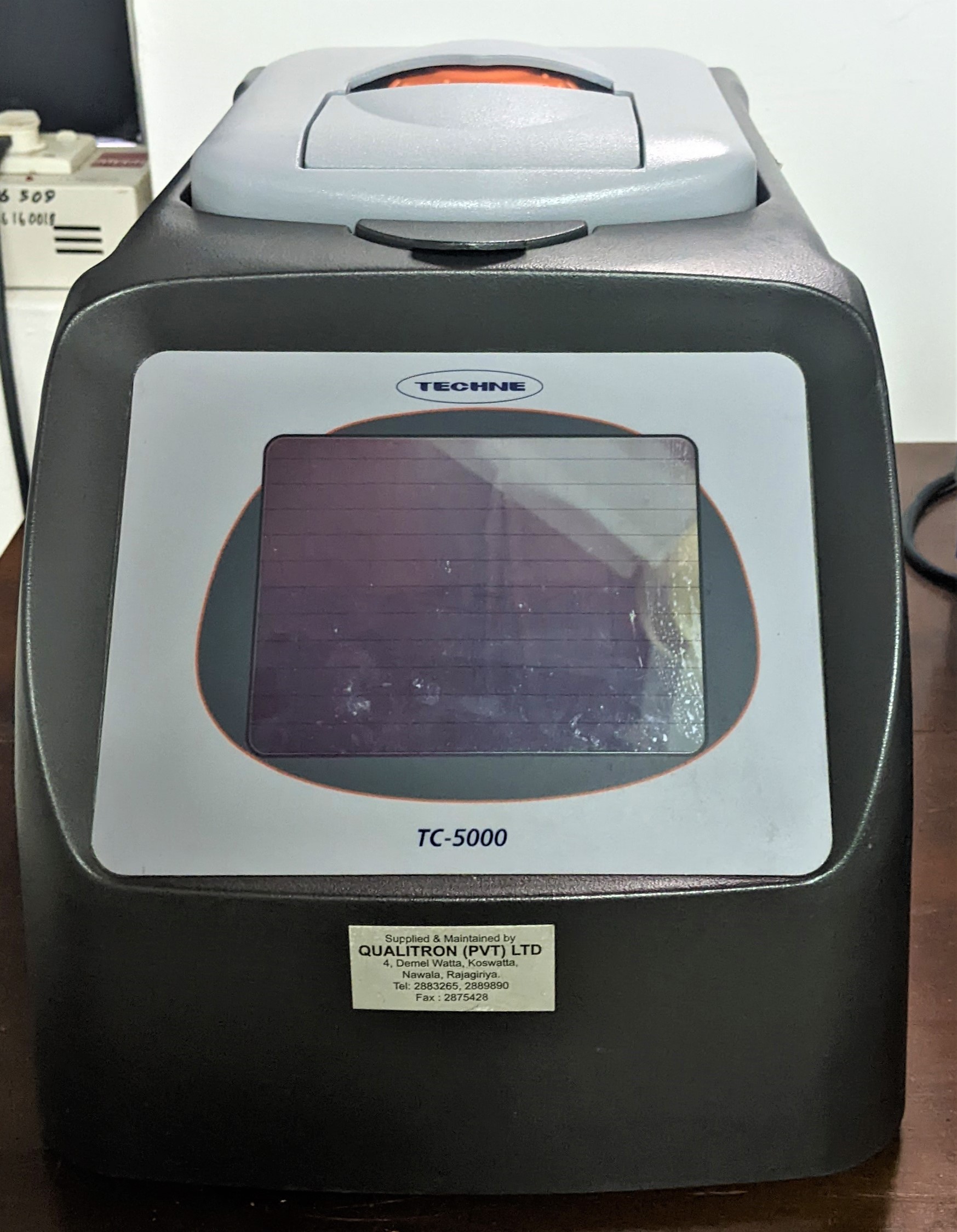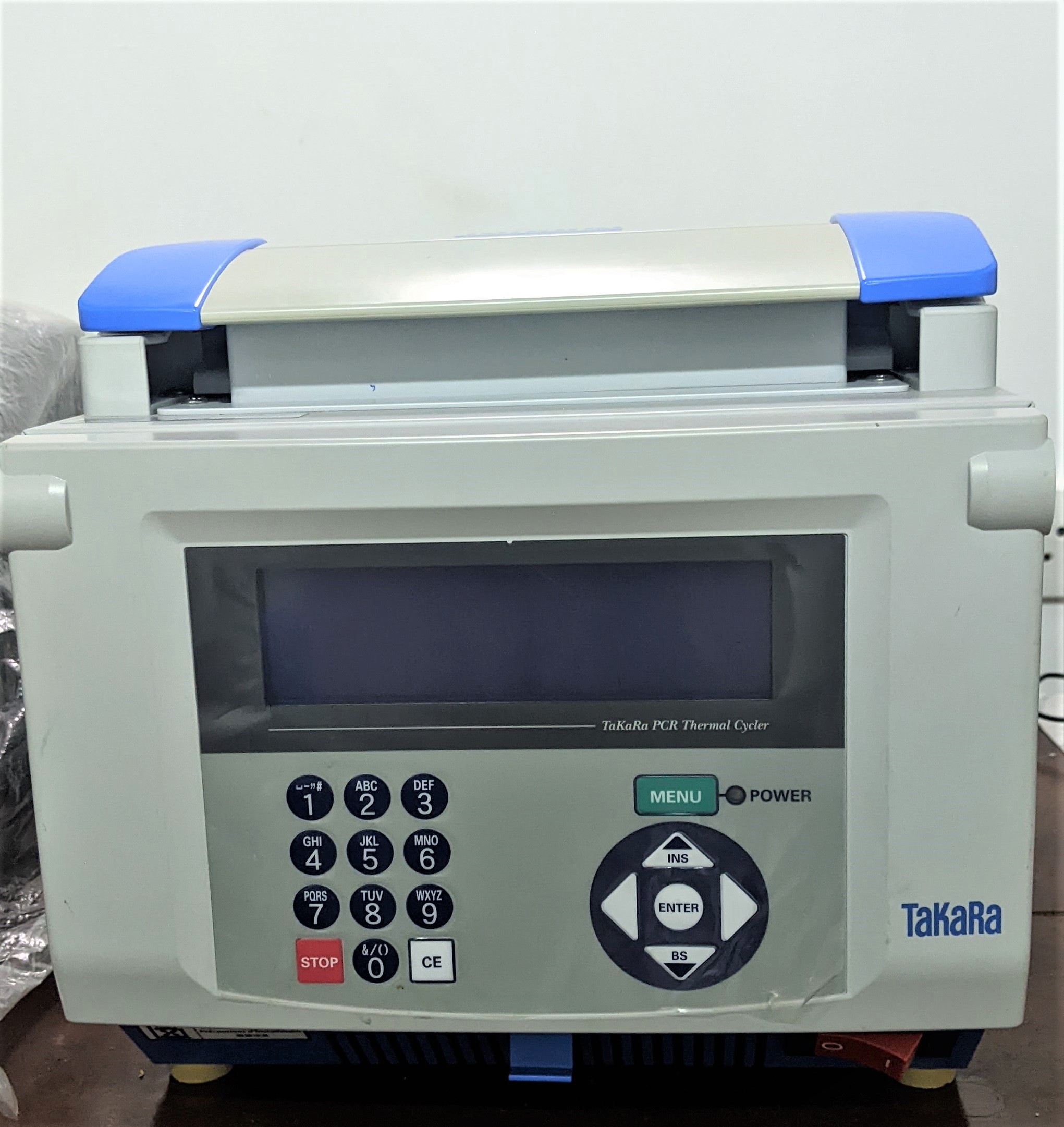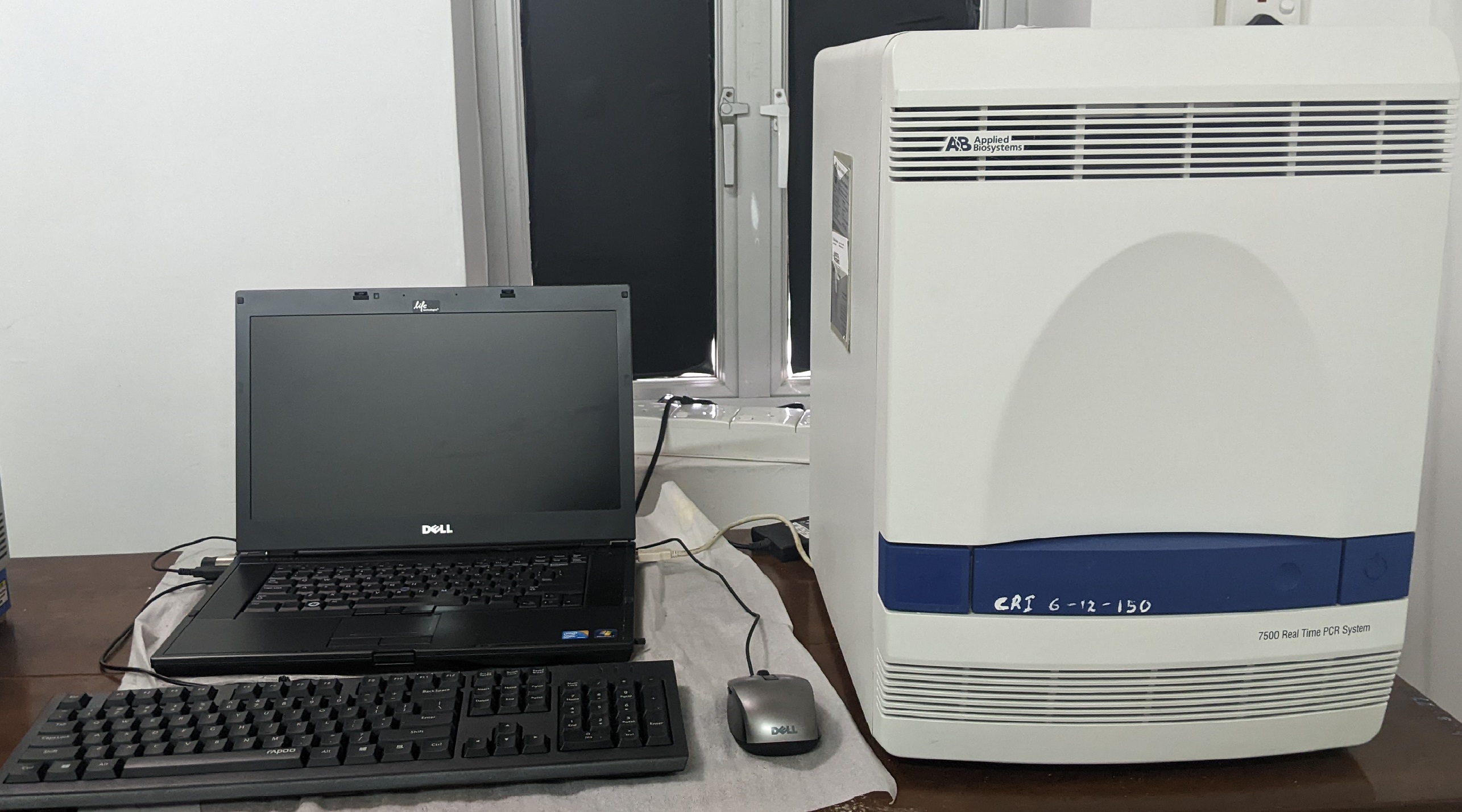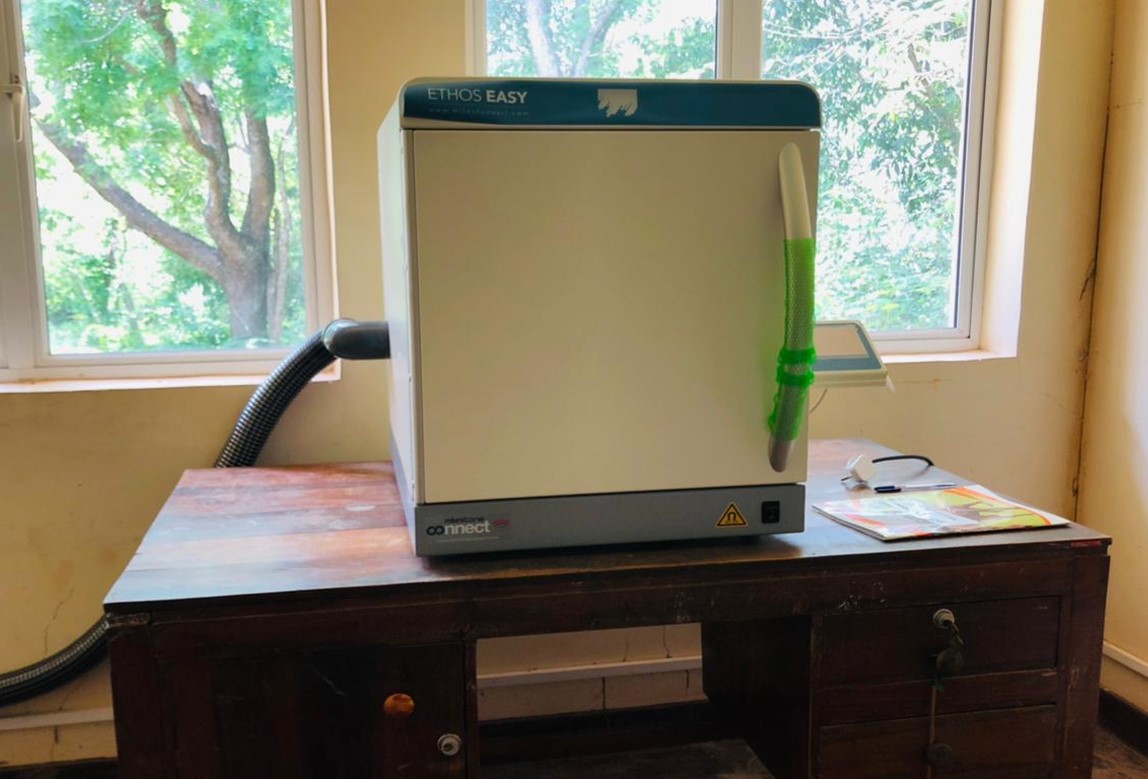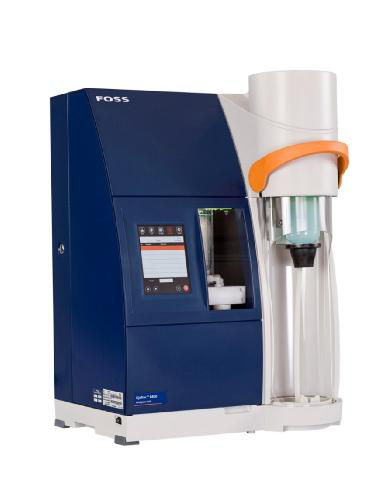
It is used to determine nitrogen in Soil, inorganic and organic fertilizer and Protein Content of plant samples. The method consists essentially of transforming all nitrogen in a weighed sample into ammonium sulfate by digestion with sulfuric acid, alkalizing the solution, and determining the resulting ammonia by distilling it into a measured volume of standard acid, the excess of which is determined by titration.
| Manufacturer | — |
| Model | — |
| Manufactured Year | 0000 |
| HS Code | — |
| Instrument Condition | Partly malfunctioning |
| Instrument Price (Rs) | 0.00 |
| Funding Source | CRI |
| External Research Support | Yes |
| Availability of Technical Staff | — |
| Commencement of Operations | 0000-00-00 |
| Vendor Name | — |
| Vendor Contact | — |
| Vendor URL | — |
| Catalog Access | — |
| Catalog Upload | — |
| Catalog Link | — |
| Stage of the Record | Completed |
Please sign in to view the contact details of this instrument and its owner.
Login to View Contact DetailsAccount access is restricted to registered users. Register now for free.
| Product Category | Elements in solution |
| Sub Category | Food and beverage, Water, Pharmaceuticals |
| Testing Parameters | Concentration of Individual elements in ppm and ppb level |
| Description | Atomic absorption spectrometry (AAS) is used primarily to determine the concentrations of individual elements in solution. As such, AAS is used in food and beverage, water, clinical research, and pharmaceutical analysis. It is also used in mining operations to determine, metal concentration. |
| Relevant Instruments | ICP-OES |
| Technical Specification | — |
| Number of Samples per Cycle | 0 |
| Number of Samples per Day | 0 |
| Total Usage Hours per Day | 0 |
Feedback for this instrument will be available soon.